Preserved grounds, enduring testimony
A sober account of a place that warns and teaches.
Table of Contents
Origins of Auschwitz and Birkenau
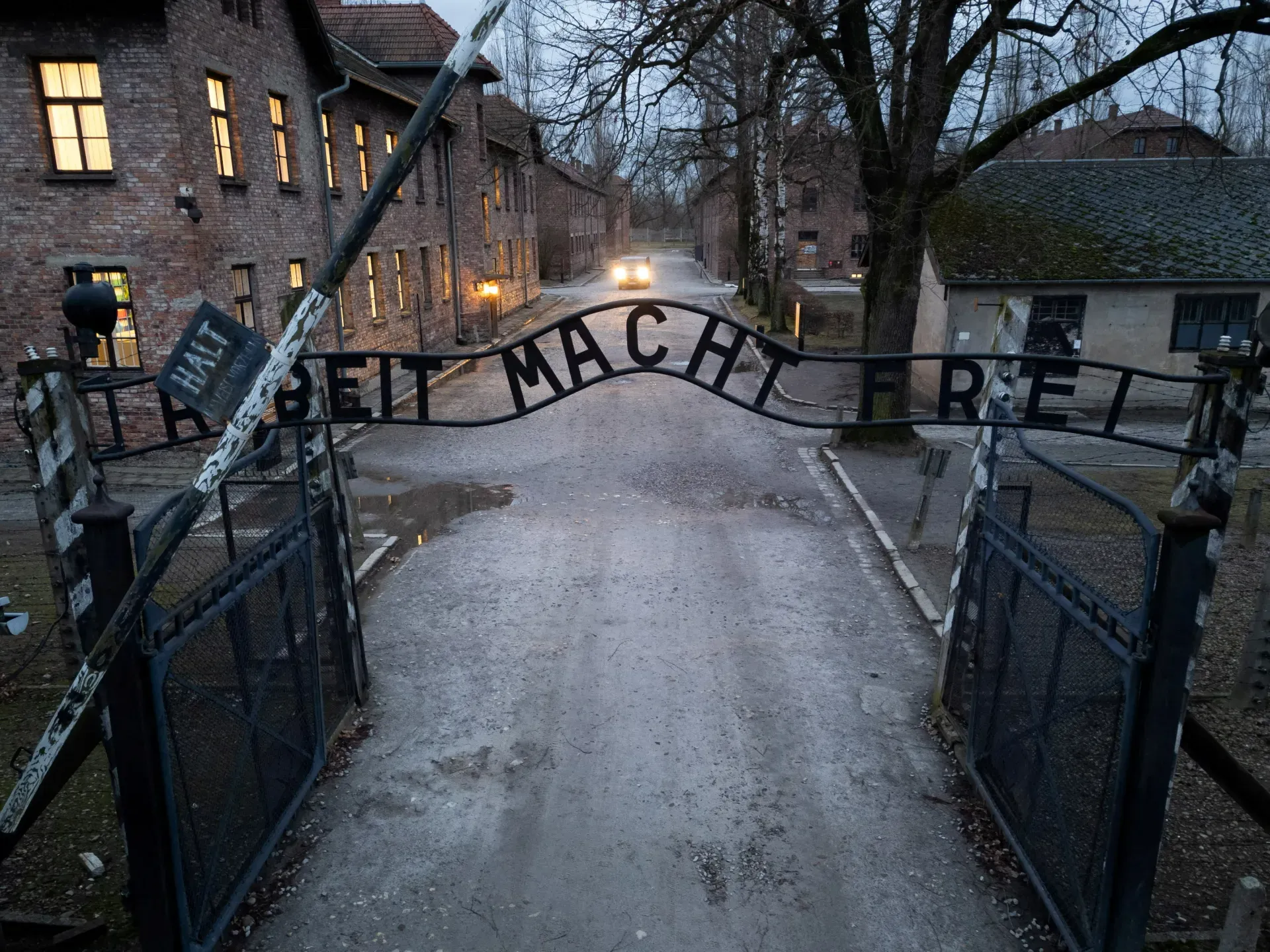
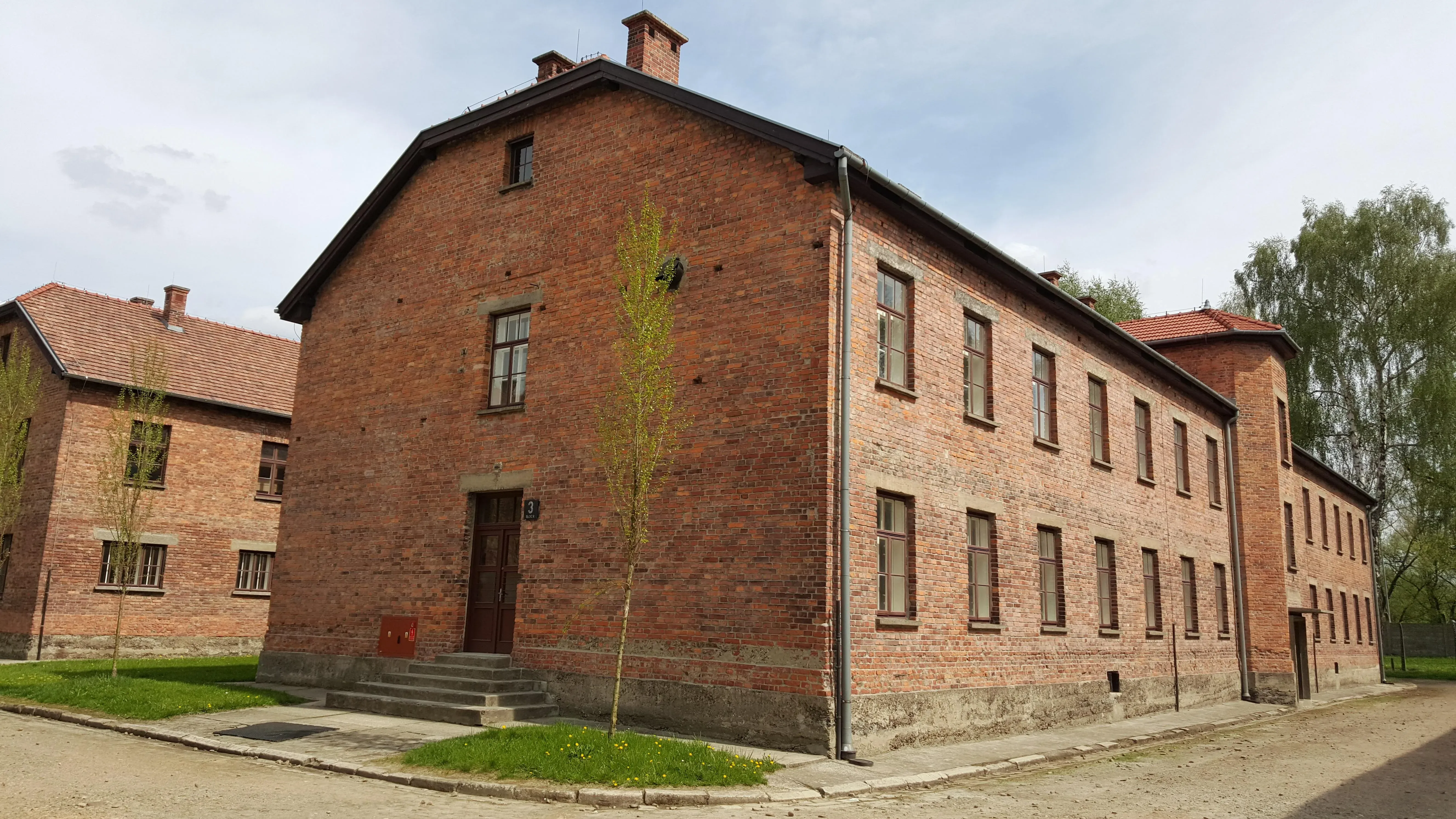
Before the war, Oświęcim was a small Polish town with synagogues, factories, and everyday life. In 1940, under German occupation, the SS established the first camp at Auschwitz I, repurposing existing barracks and buildings. What began as a site of repression and terror against Polish prisoners and others would expand into the largest concentration and extermination complex created by the German Nazi regime.
By 1941–1942, construction of Auschwitz II–Birkenau accelerated, transforming meadows and farmland into an immense camp with divisions for men, women, families, and specific prisoner categories. The scale and layout made Birkenau central to the regime’s machinery of mass murder, while Auschwitz I became the administrative and organizational heart of the complex.
Creation and expansion of the camp system
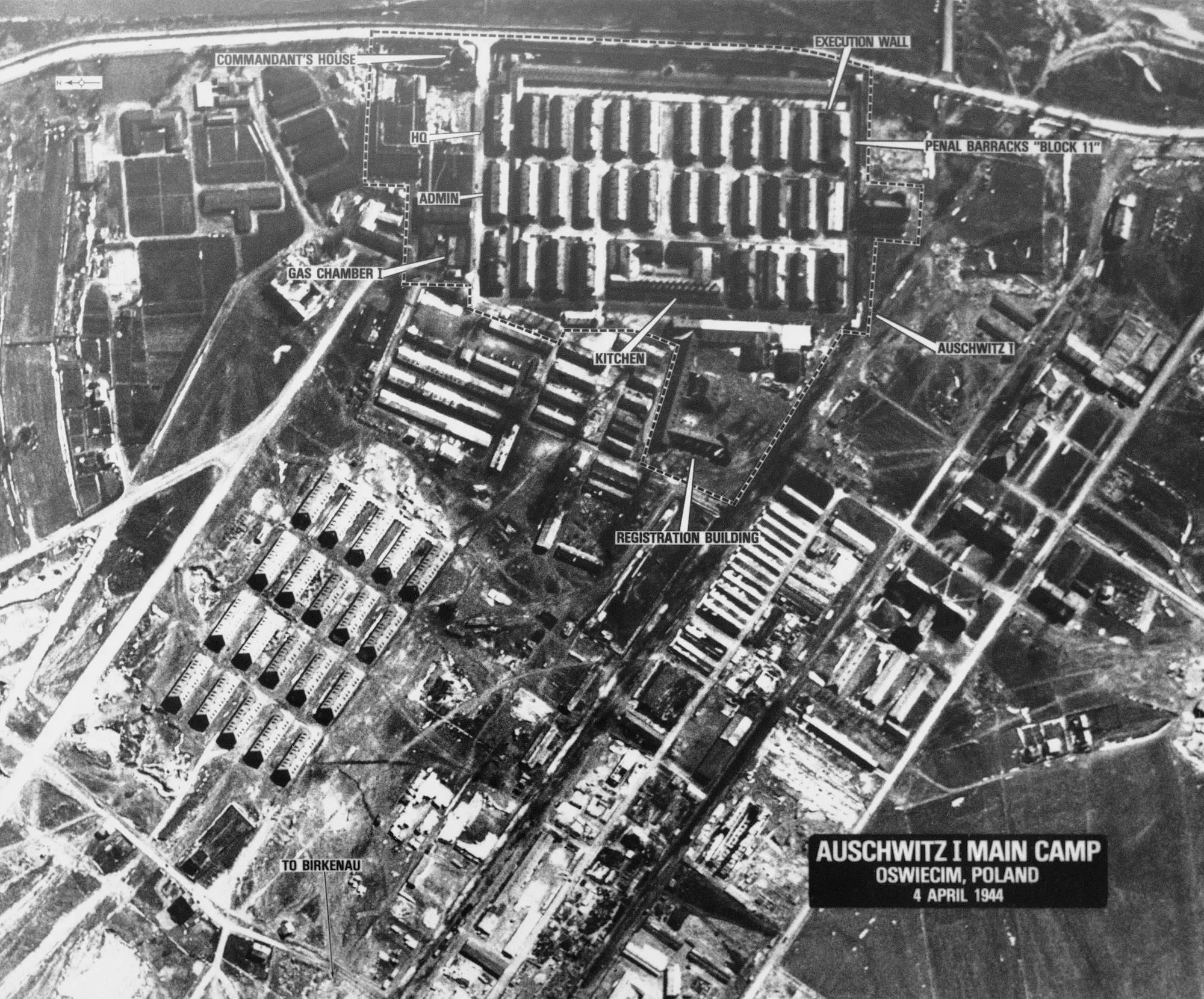
The camp system grew in phases: initial repression, expansion to house growing numbers of prisoners, and the addition of Birkenau with sectors for different groups, including Jews deported from across occupied Europe, Roma, and others targeted by the regime. Subcamps radiated from the main sites, feeding forced labor into factories and construction projects.
Administrative records, orders, and construction plans reveal the bureaucratic face of the system. Names, numbers, and divisions mask real people and real suffering, but those documents also help historians trace responsibility and reconstruct daily operations.
Deportations, selection, and forced labor
Trains carried men, women, and children from ghettos, towns, and transit camps across occupied Europe. On arrival, selections determined immediate fate: some were sent to forced labor under brutal conditions; many — especially the elderly, the sick, and families with children — were sent to extermination facilities.
Those forced to work faced starvation, disease, violence, and exhaustion. ‘Labor’ within the camp system was not designed to build lives but to destroy them slowly, while serving the regime’s economic and military goals.
Extermination facilities and evidence
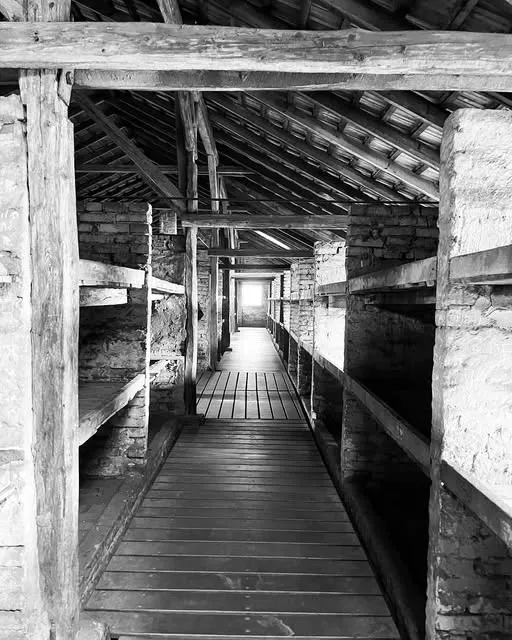
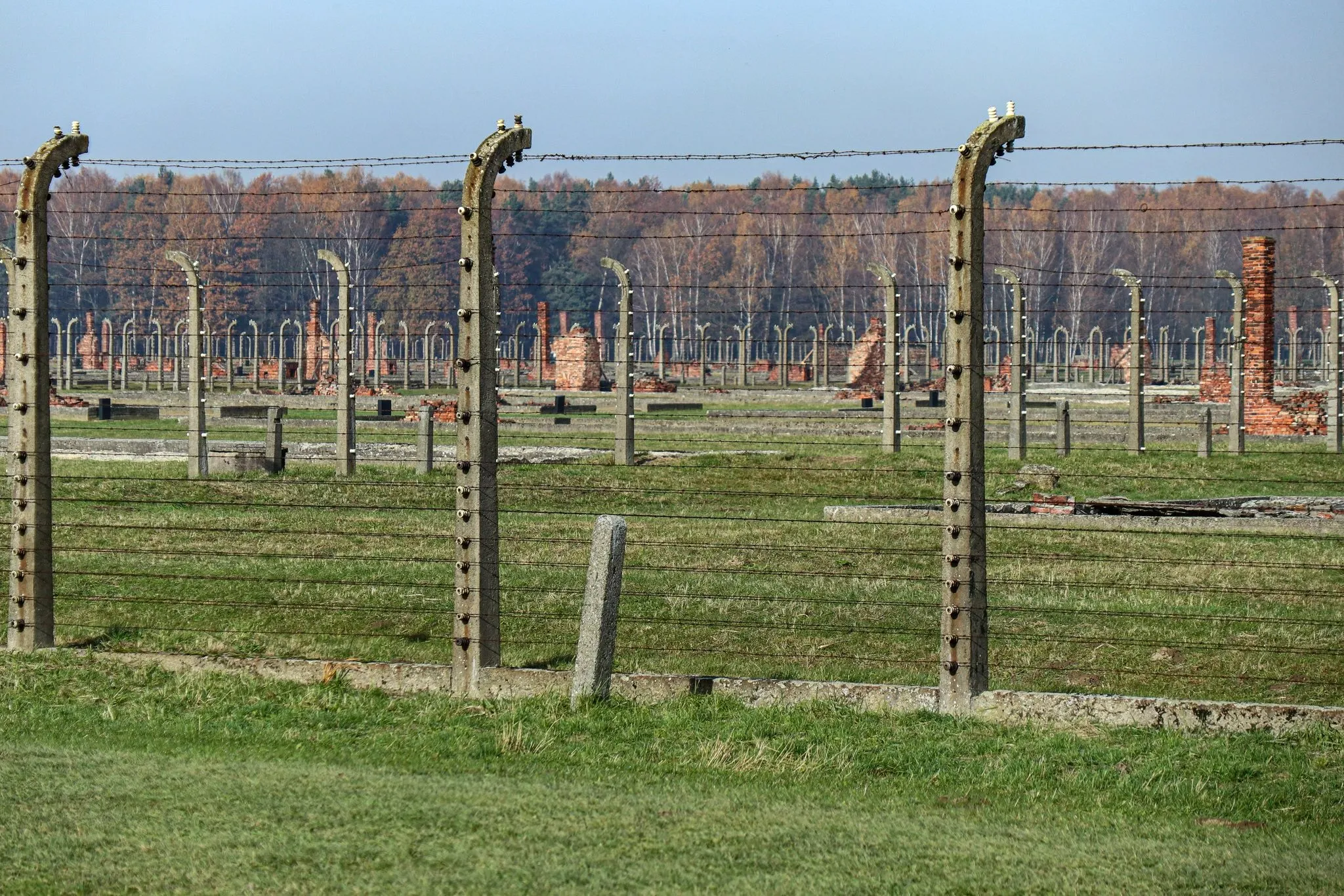
The ruins at Birkenau mark the locations of extermination facilities. After the war, investigators and historians gathered testimony, photographs, documents, and physical traces to reconstruct how these places functioned within the system of mass murder.
Preservation is complex: many structures were destroyed as the SS attempted to erase evidence. What remains is a combination of ruins, artifacts, and documentary records, all handled with ethical care to avoid sensationalism and honor victims.
Daily life under terror
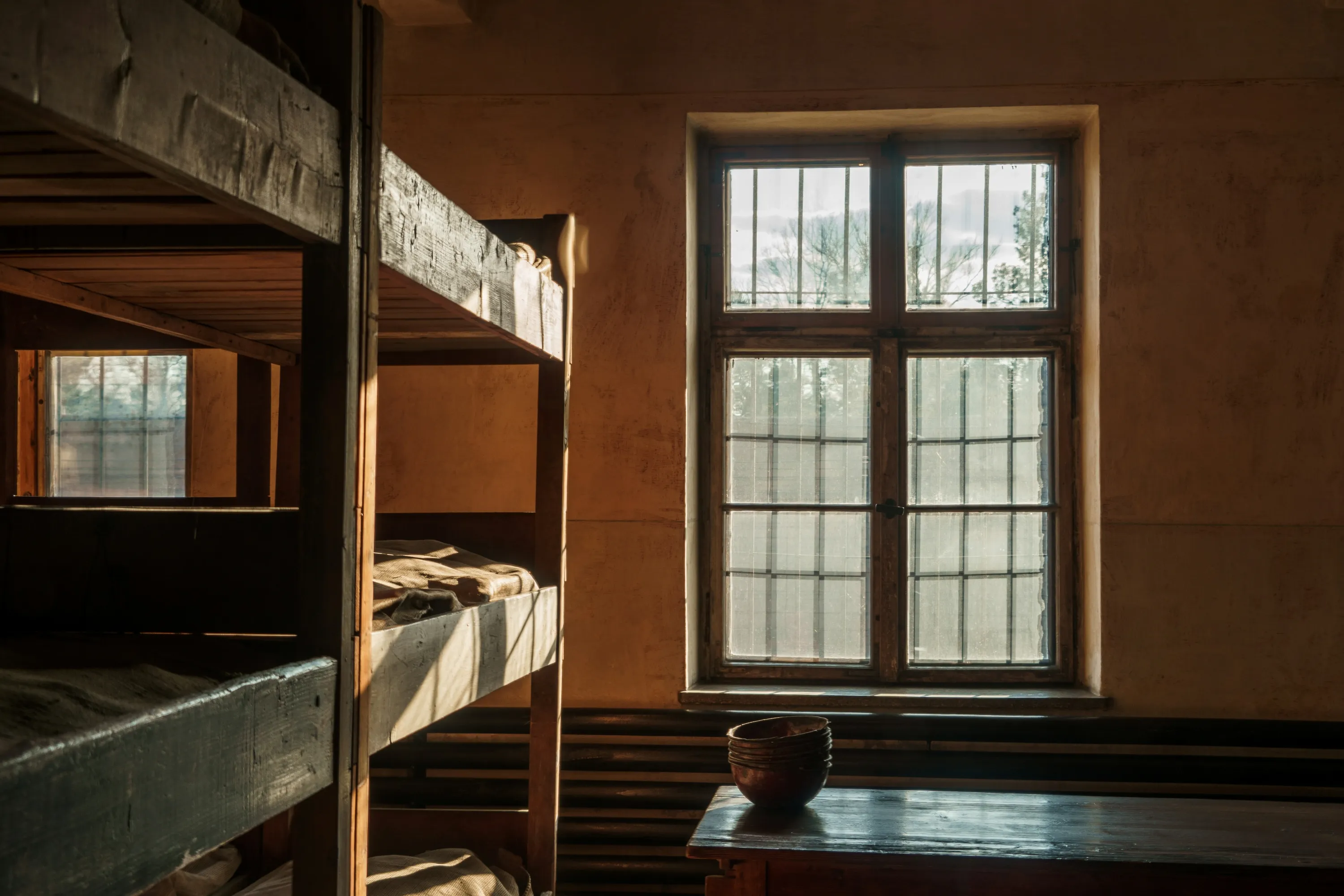
Prisoners lived under constant surveillance and violence. Barracks were overcrowded; food and sanitation were grossly inadequate. The camp’s routines regulated waking, work, roll calls, punishment, and death.
Even in such conditions, people helped one another, preserved fragments of culture and faith, and held on to human dignity as best they could. Personal stories remind us that each number belonged to a person with a name, a family, and a life.
Resistance, help, and escape attempts
Resistance took many forms: passing information, preserving evidence, aiding escape attempts, and supporting one another at great personal risk. Outside the camp, local people and underground networks sometimes offered help despite severe danger.
These acts did not undo the system, but they affirm human courage and solidarity. The Museum honors such efforts within the broader historical narrative.
Liberation and immediate aftermath
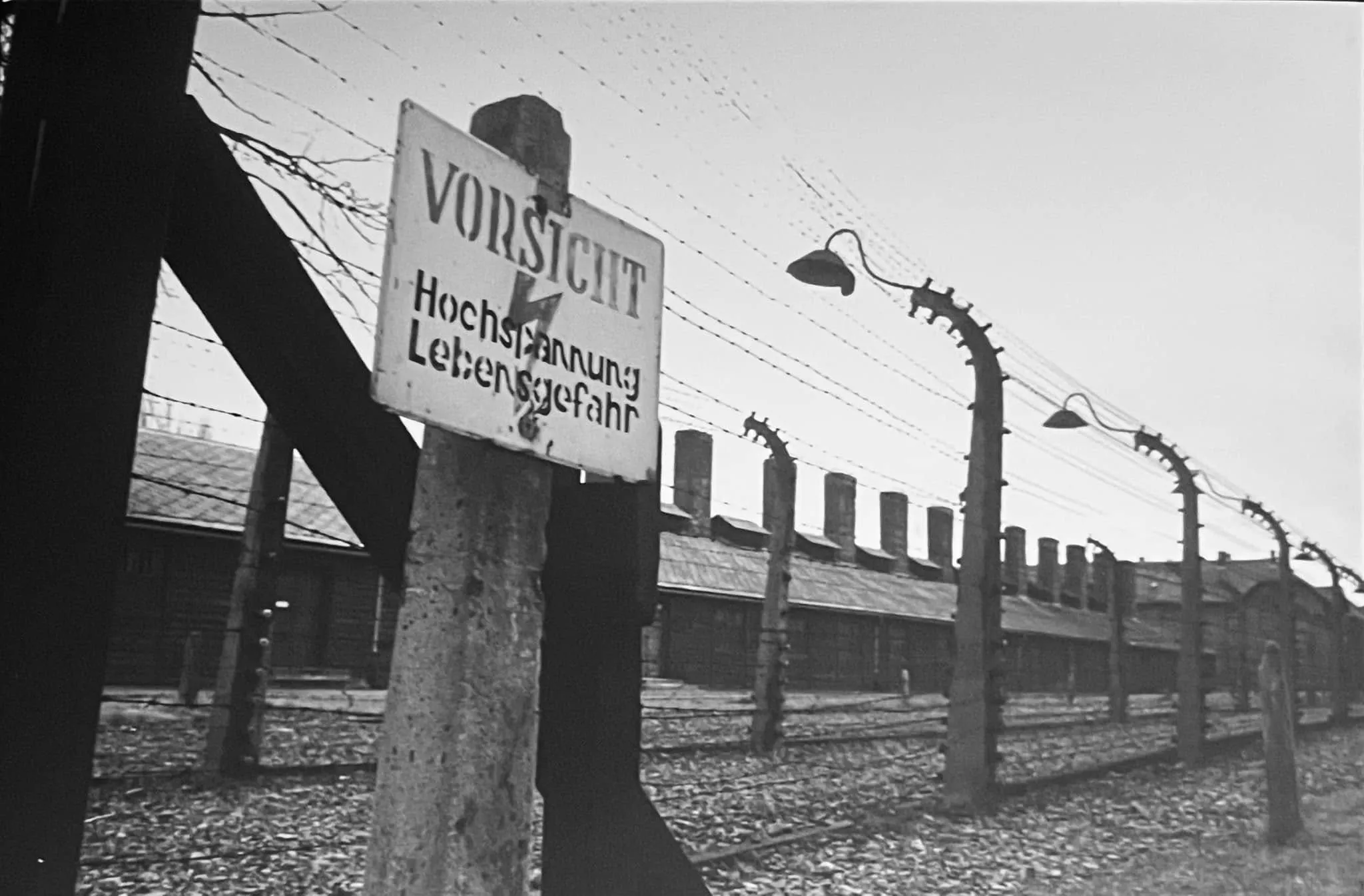
In January 1945, as Soviet troops approached, the SS evacuated prisoners on death marches. The Red Army liberated Auschwitz on January 27, 1945. Soldiers found emaciated survivors and remnants of the camp’s machinery of terror.
Liberation did not end suffering. Survivors faced illness, grief, and the loss of families and communities. The world began the long process of documenting crimes and seeking justice.
Founding the Memorial and Museum
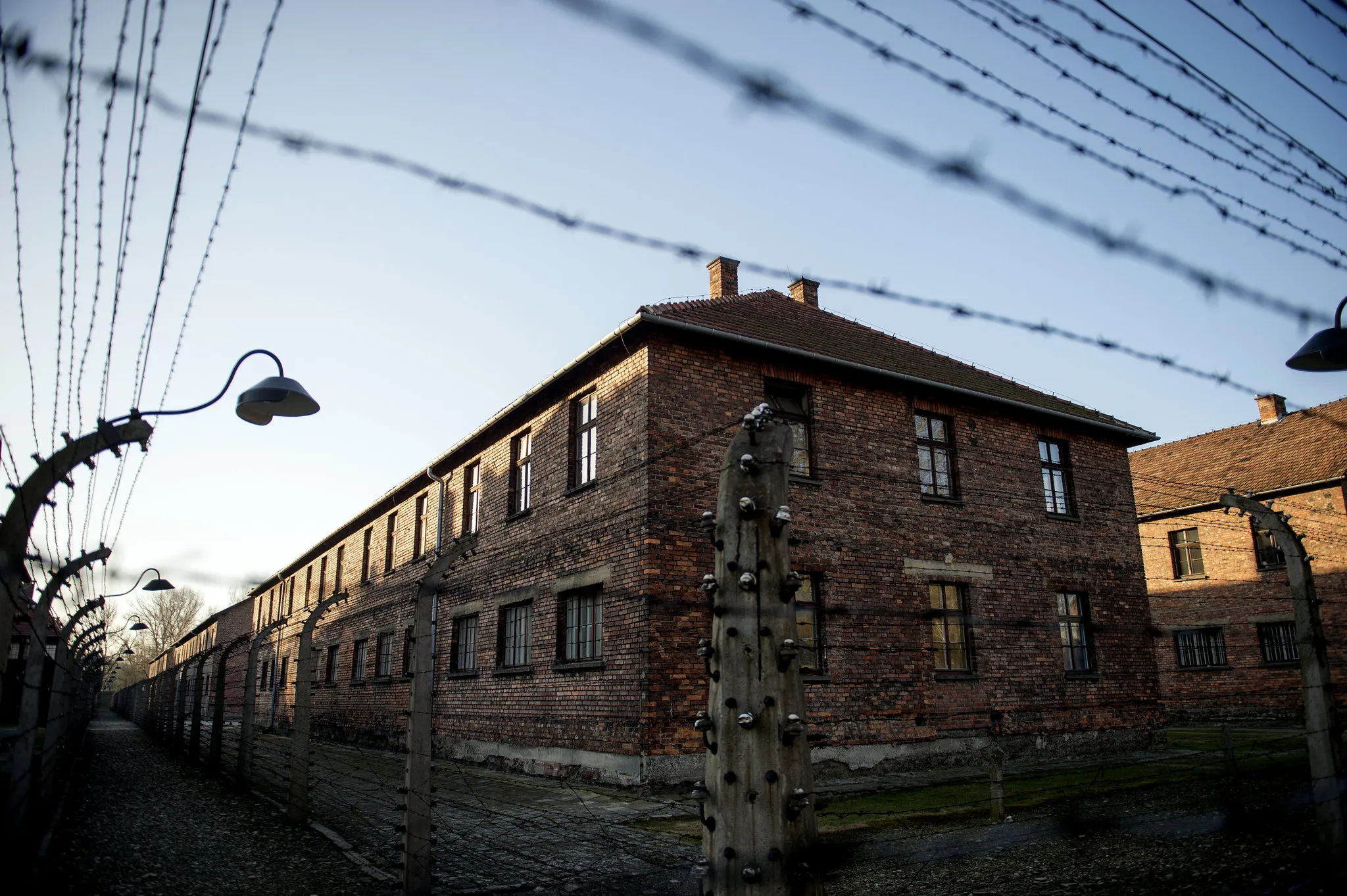
After the war, the Polish authorities and survivors led efforts to preserve Auschwitz as a site of memory and warning. The Museum was formally established to protect remains, collect testimony, and educate future generations.
Preservation requires specialized conservation, historical research, and ethical decisions to ensure the site remains a dignified place of remembrance rather than a spectacle.
Education, testimony, and research
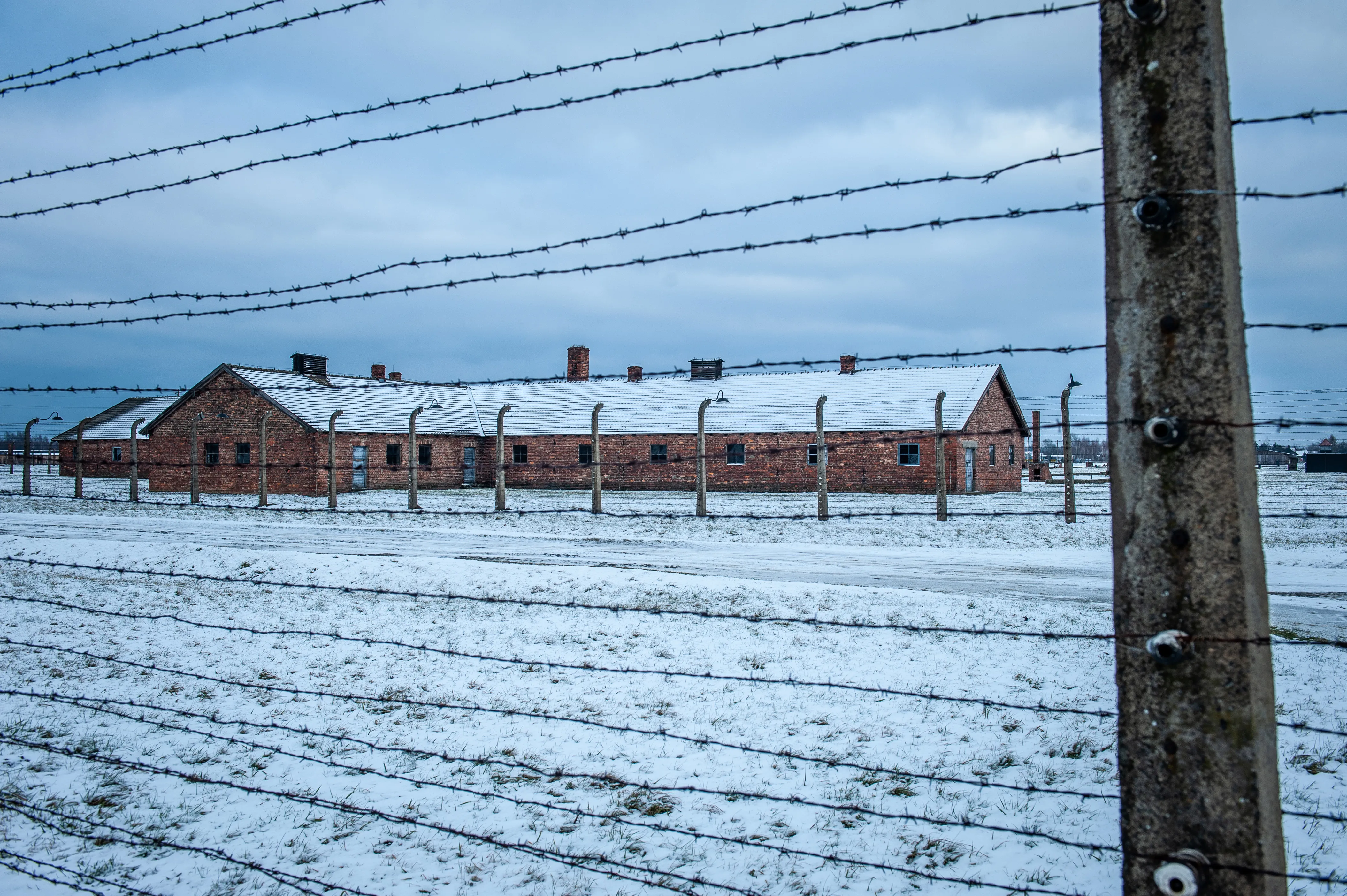
Education at Auschwitz-Birkenau centers on testimony, documents, and careful historical method. Guides and researchers present evidence soberly, resisting simplification or sensationalism.
Survivor accounts and personal documents are central. As generations pass, their voices remain through recorded interviews, memoirs, and the artifacts they left behind.
Commemoration, anniversaries, and visits
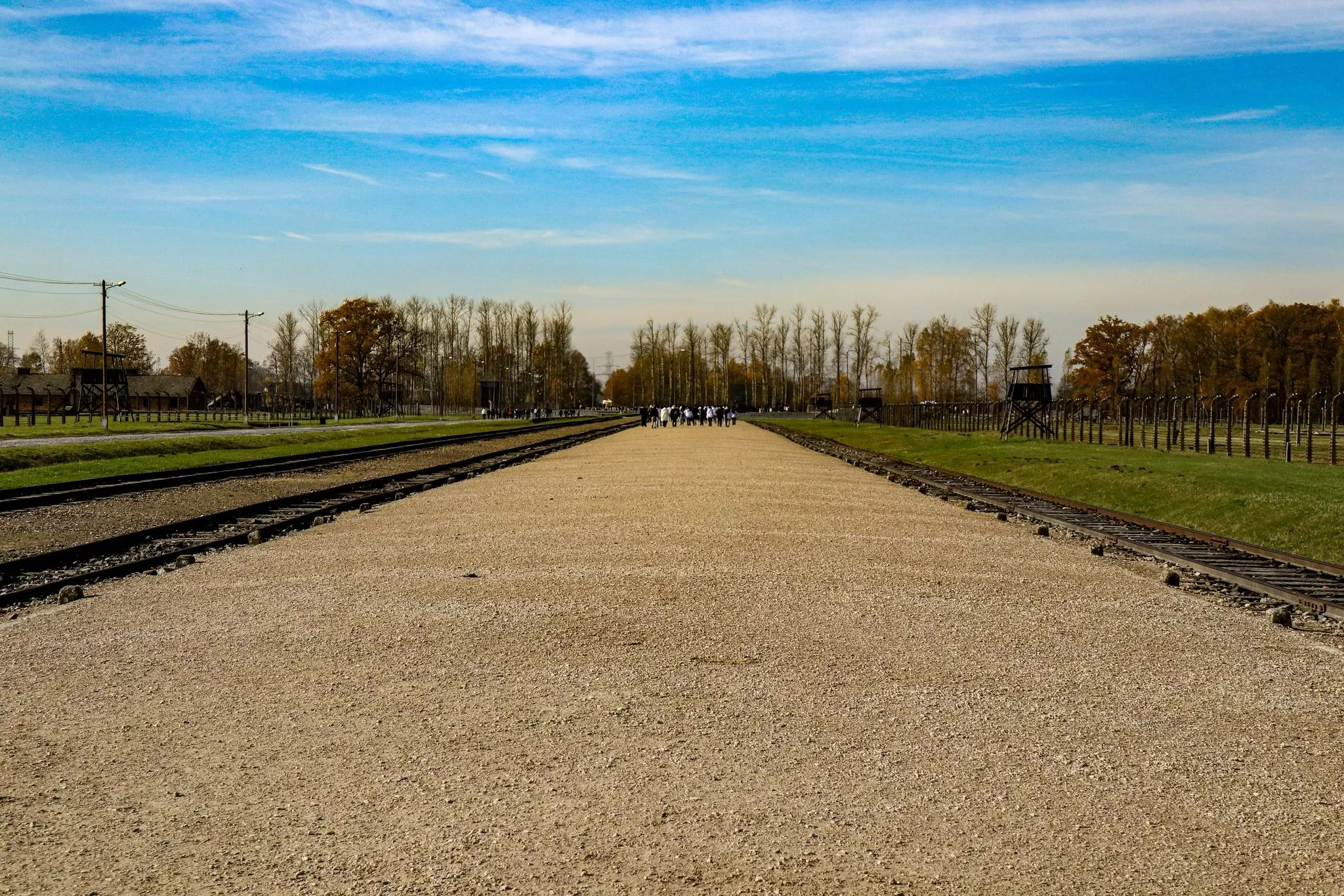
January 27 is International Holocaust Remembrance Day, marking the liberation of Auschwitz. Commemorations occur throughout the year, often with survivor participation, educational events, and moments of silence.
Visits should be prepared: read responsibly, consider joining a guided tour, and be mindful of the emotional weight of the place.
Preservation, conservation, and ethics
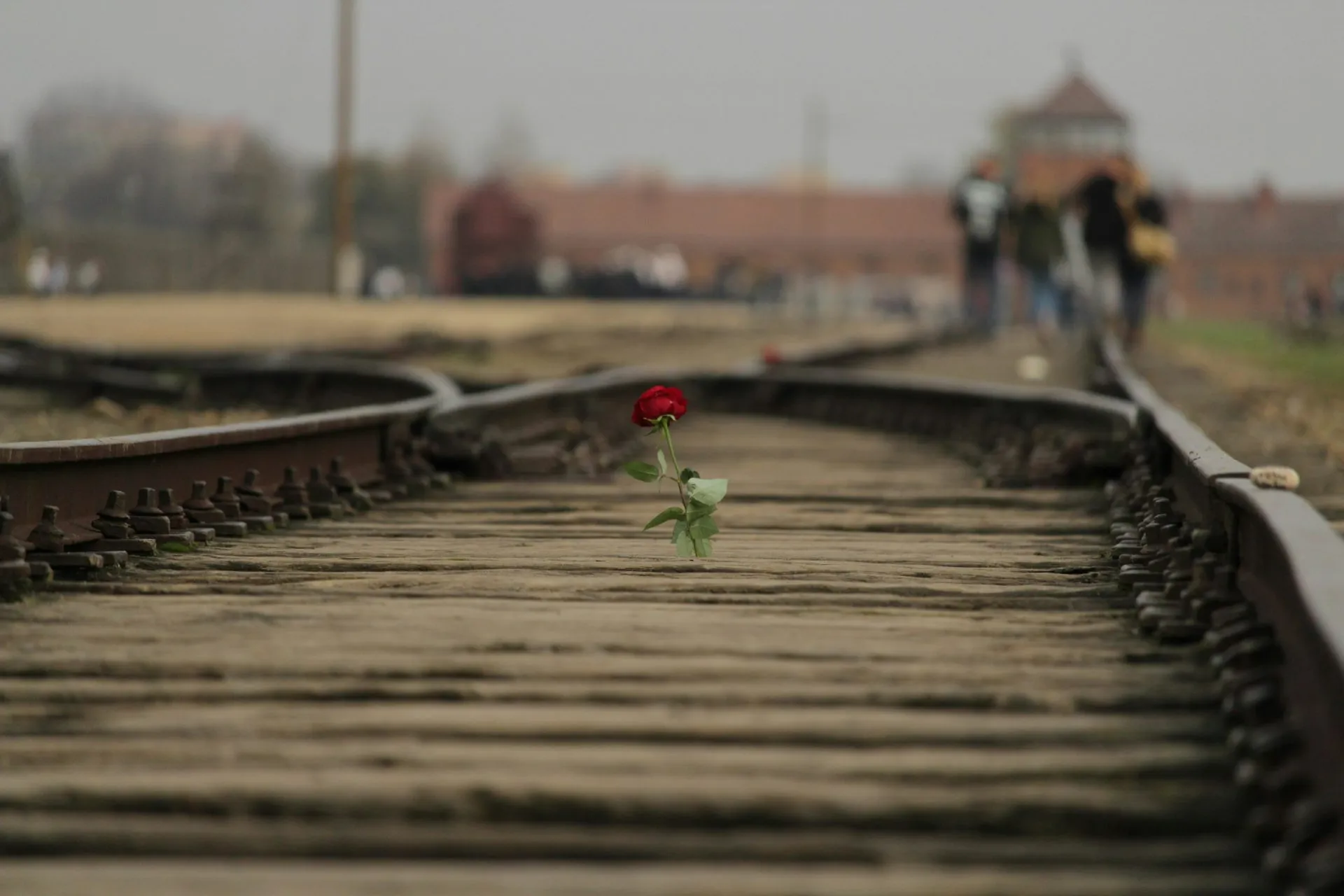
Conservators manage fragile artifacts, documents, and structures against decay. Ethical guidelines shape decisions: truth, respect, and education guide how items are presented and interpreted.
The Memorial is a place of mourning. Photography, behavior, and language should reflect dignity and care for those who suffered and died here.
Auschwitz in European and global memory
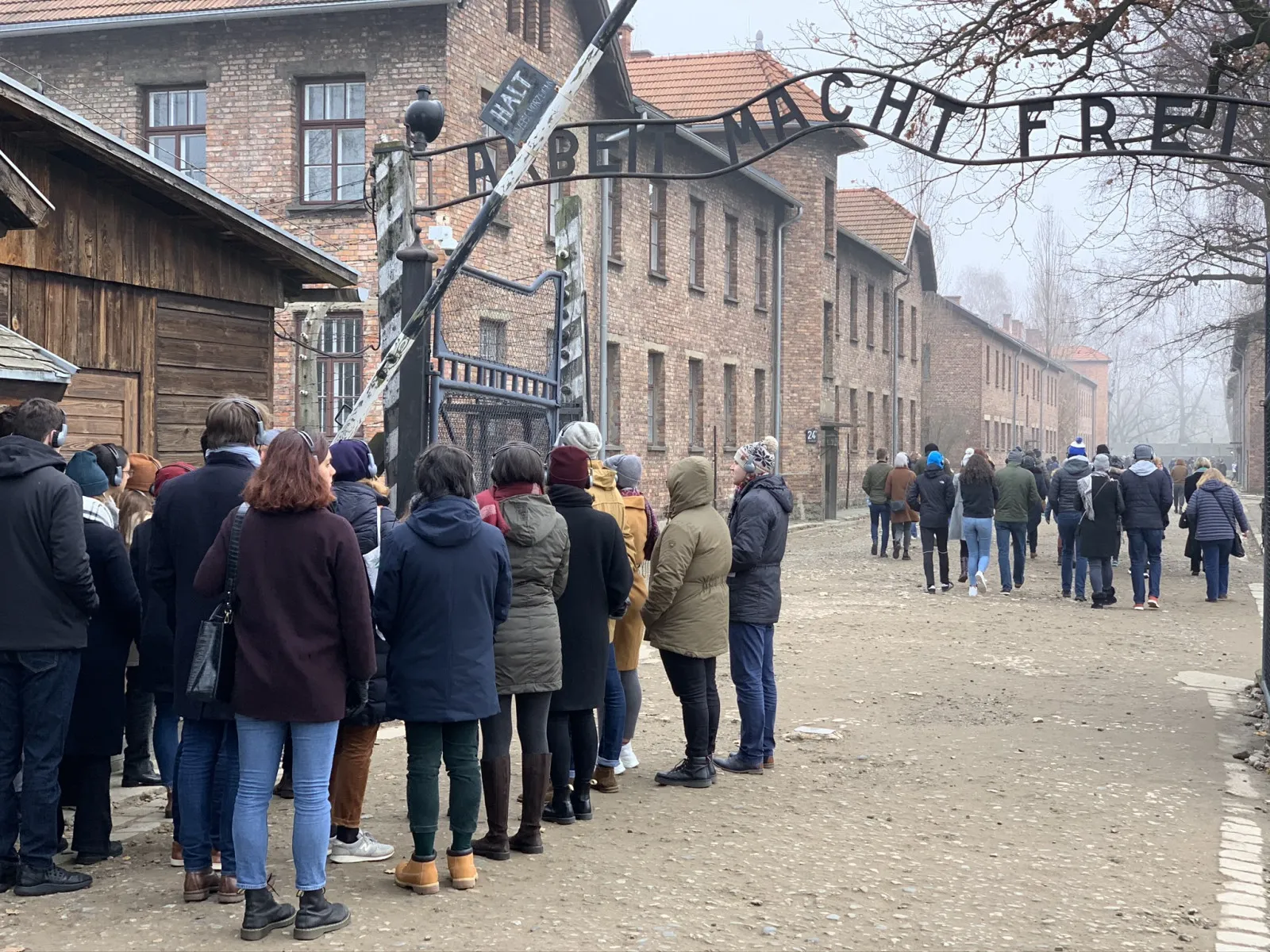
Auschwitz-Birkenau has become a symbol for the Holocaust and the crimes of the German Nazi regime. Memorials, museums, and educational centers worldwide engage with this history to combat denial and distortion.
Global memory is diverse: it includes local stories, national histories, and international scholarship, all converging on the imperative to remember and to warn.
Why memory and warning endure
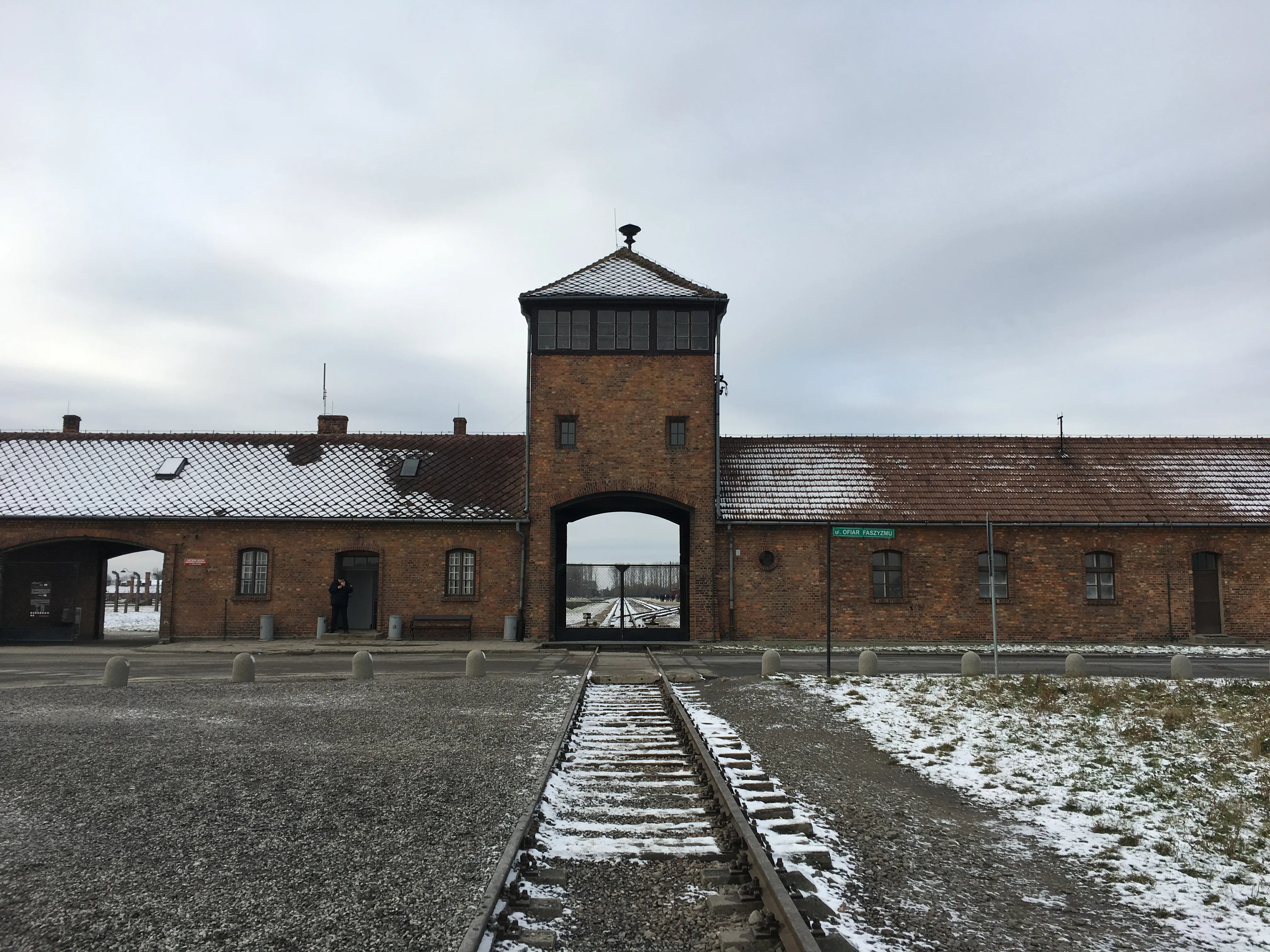
Auschwitz-Birkenau stands as a warning: hatred, bureaucracy, and violence can converge catastrophically. Remembering victims affirms our commitment to human dignity, truth, and responsibility.
This place asks us to listen, to learn, and to refuse indifference. The Memorial and Museum are devoted to that task.
Table of Contents
Origins of Auschwitz and Birkenau
Before the war, Oświęcim was a small Polish town with synagogues, factories, and everyday life. In 1940, under German occupation, the SS established the first camp at Auschwitz I, repurposing existing barracks and buildings. What began as a site of repression and terror against Polish prisoners and others would expand into the largest concentration and extermination complex created by the German Nazi regime.
By 1941–1942, construction of Auschwitz II–Birkenau accelerated, transforming meadows and farmland into an immense camp with divisions for men, women, families, and specific prisoner categories. The scale and layout made Birkenau central to the regime’s machinery of mass murder, while Auschwitz I became the administrative and organizational heart of the complex.
Creation and expansion of the camp system
The camp system grew in phases: initial repression, expansion to house growing numbers of prisoners, and the addition of Birkenau with sectors for different groups, including Jews deported from across occupied Europe, Roma, and others targeted by the regime. Subcamps radiated from the main sites, feeding forced labor into factories and construction projects.
Administrative records, orders, and construction plans reveal the bureaucratic face of the system. Names, numbers, and divisions mask real people and real suffering, but those documents also help historians trace responsibility and reconstruct daily operations.
Deportations, selection, and forced labor
Trains carried men, women, and children from ghettos, towns, and transit camps across occupied Europe. On arrival, selections determined immediate fate: some were sent to forced labor under brutal conditions; many — especially the elderly, the sick, and families with children — were sent to extermination facilities.
Those forced to work faced starvation, disease, violence, and exhaustion. ‘Labor’ within the camp system was not designed to build lives but to destroy them slowly, while serving the regime’s economic and military goals.
Extermination facilities and evidence
The ruins at Birkenau mark the locations of extermination facilities. After the war, investigators and historians gathered testimony, photographs, documents, and physical traces to reconstruct how these places functioned within the system of mass murder.
Preservation is complex: many structures were destroyed as the SS attempted to erase evidence. What remains is a combination of ruins, artifacts, and documentary records, all handled with ethical care to avoid sensationalism and honor victims.
Daily life under terror
Prisoners lived under constant surveillance and violence. Barracks were overcrowded; food and sanitation were grossly inadequate. The camp’s routines regulated waking, work, roll calls, punishment, and death.
Even in such conditions, people helped one another, preserved fragments of culture and faith, and held on to human dignity as best they could. Personal stories remind us that each number belonged to a person with a name, a family, and a life.
Resistance, help, and escape attempts
Resistance took many forms: passing information, preserving evidence, aiding escape attempts, and supporting one another at great personal risk. Outside the camp, local people and underground networks sometimes offered help despite severe danger.
These acts did not undo the system, but they affirm human courage and solidarity. The Museum honors such efforts within the broader historical narrative.
Liberation and immediate aftermath
In January 1945, as Soviet troops approached, the SS evacuated prisoners on death marches. The Red Army liberated Auschwitz on January 27, 1945. Soldiers found emaciated survivors and remnants of the camp’s machinery of terror.
Liberation did not end suffering. Survivors faced illness, grief, and the loss of families and communities. The world began the long process of documenting crimes and seeking justice.
Founding the Memorial and Museum
After the war, the Polish authorities and survivors led efforts to preserve Auschwitz as a site of memory and warning. The Museum was formally established to protect remains, collect testimony, and educate future generations.
Preservation requires specialized conservation, historical research, and ethical decisions to ensure the site remains a dignified place of remembrance rather than a spectacle.
Education, testimony, and research
Education at Auschwitz-Birkenau centers on testimony, documents, and careful historical method. Guides and researchers present evidence soberly, resisting simplification or sensationalism.
Survivor accounts and personal documents are central. As generations pass, their voices remain through recorded interviews, memoirs, and the artifacts they left behind.
Commemoration, anniversaries, and visits
January 27 is International Holocaust Remembrance Day, marking the liberation of Auschwitz. Commemorations occur throughout the year, often with survivor participation, educational events, and moments of silence.
Visits should be prepared: read responsibly, consider joining a guided tour, and be mindful of the emotional weight of the place.
Preservation, conservation, and ethics
Conservators manage fragile artifacts, documents, and structures against decay. Ethical guidelines shape decisions: truth, respect, and education guide how items are presented and interpreted.
The Memorial is a place of mourning. Photography, behavior, and language should reflect dignity and care for those who suffered and died here.
Auschwitz in European and global memory
Auschwitz-Birkenau has become a symbol for the Holocaust and the crimes of the German Nazi regime. Memorials, museums, and educational centers worldwide engage with this history to combat denial and distortion.
Global memory is diverse: it includes local stories, national histories, and international scholarship, all converging on the imperative to remember and to warn.
Why memory and warning endure
Auschwitz-Birkenau stands as a warning: hatred, bureaucracy, and violence can converge catastrophically. Remembering victims affirms our commitment to human dignity, truth, and responsibility.
This place asks us to listen, to learn, and to refuse indifference. The Memorial and Museum are devoted to that task.