Auschwitz-Birkenau entry and guided tours
Entry to the Memorial and Museum is free, but capacity is controlled. Guided tours with Museum educators require a fee and reservation. Advance booking is strongly advised.
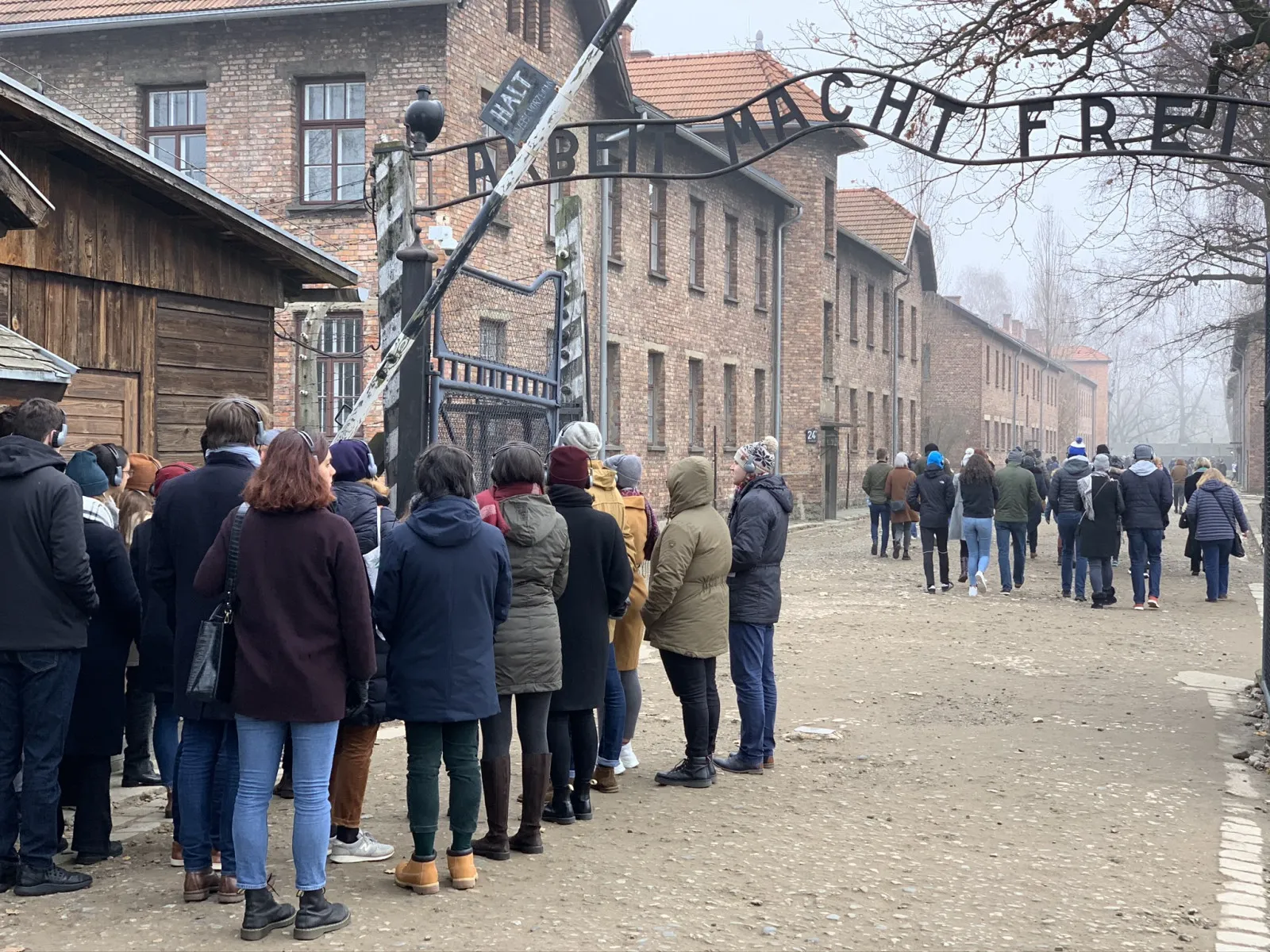
About the Auschwitz-Birkenau Memorial and Museum
Auschwitz I houses the Museum exhibitions; Birkenau preserves the vast grounds and remains of extermination facilities. Both sites together convey the scale and nature of the crimes committed by the German Nazi regime.
Guided tours provide essential context and are conducted in multiple languages. Self-guided entry is possible but should be complemented with prior study or audio materials.
Group reservations, including educational visits, must be arranged in advance. Individual visitors should secure timed entry slots, especially in peak seasons.
Audio guides may be available; check current offerings on the official website.
Please treat all spaces with utmost respect. Eating, loud conversation, and inappropriate behavior are not compatible with the character of this place.
Visit Options
Choose the option that fits your visit
Visit Options
Choose the option that fits your visit
Auschwitz-Birkenau: Guided Tour + Transport
Travel from Krakow to Auschwitz-Birkenau with organized round-trip transport and an official guided tour of the Memorial and Museum.
Auschwitz-Birkenau: Entry Ticket + Guided Tour
Visit the Auschwitz-Birkenau Memorial and Museum with a pre-booked entry and an official guided tour led by a licensed museum guide.
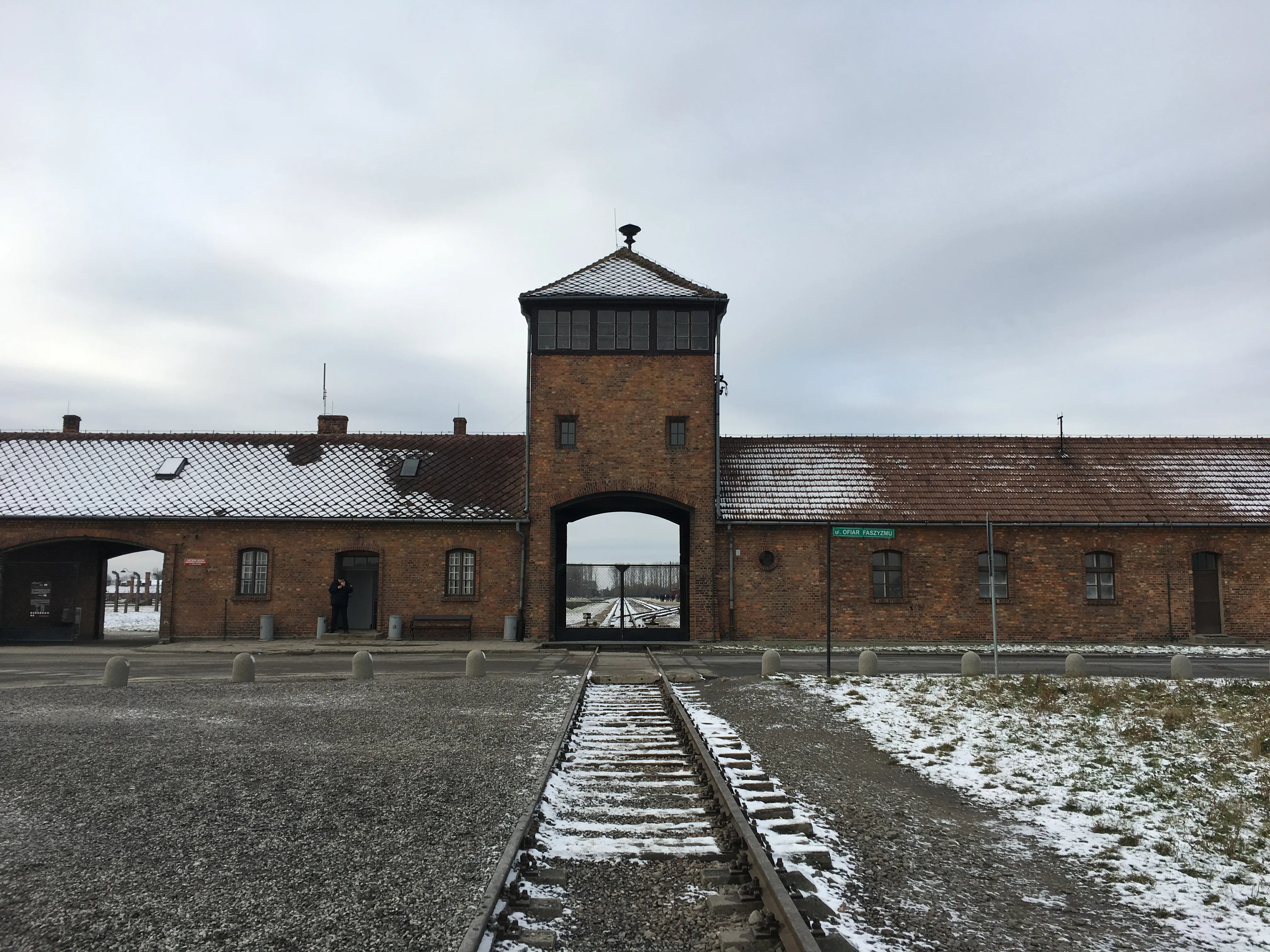
Auschwitz-Birkenau: Guided Tour + Private Transfer
Enjoy a private, door-to-door transfer from Krakow and an official guided tour of the Auschwitz-Birkenau Memorial and Museum.
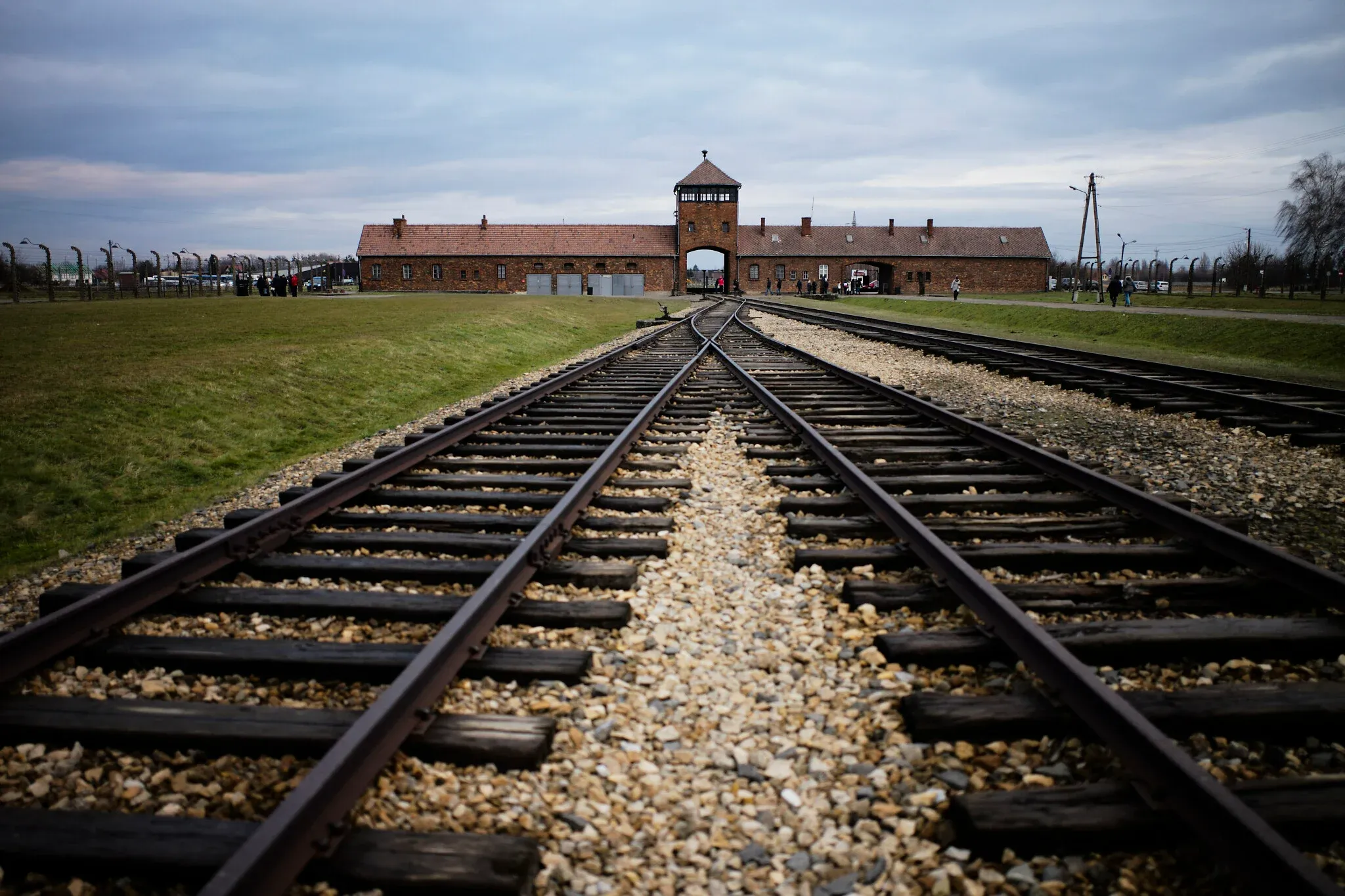
Auschwitz-Birkenau & Wieliczka Salt Mine: Guided Tour + Transport
Full-day excursion from Krakow visiting Auschwitz-Birkenau Memorial and the UNESCO-listed Wieliczka Salt Mine, with guided tours and organized transport.
Why book online?
A timed entry manages capacity and ensures a measured pace through exhibitions. Guided tours deepen understanding and help structure what is a demanding, emotional visit.
Booking early secures language preferences and avoids long waits. It also helps coordinate transport from Kraków or Katowice and plan time at Birkenau’s extensive grounds.
Digital confirmations streamline security and check‑in. With a plan in place, you can focus on learning, paying respects, and reflecting.
What to expect during your visit
A measured, thoughtful experience across two sites. Allow time to absorb, learn, and reflect.
Begin at Auschwitz I (Museum). After security, you’ll enter preserved blocks with exhibitions that explain the camp’s creation, expansion, and function within the German Nazi system. You will see documentation, photographs, and personal belongings of victims. The tone is sober. Guides frame the history, correct myths, and present facts drawn from archives and testimonies.
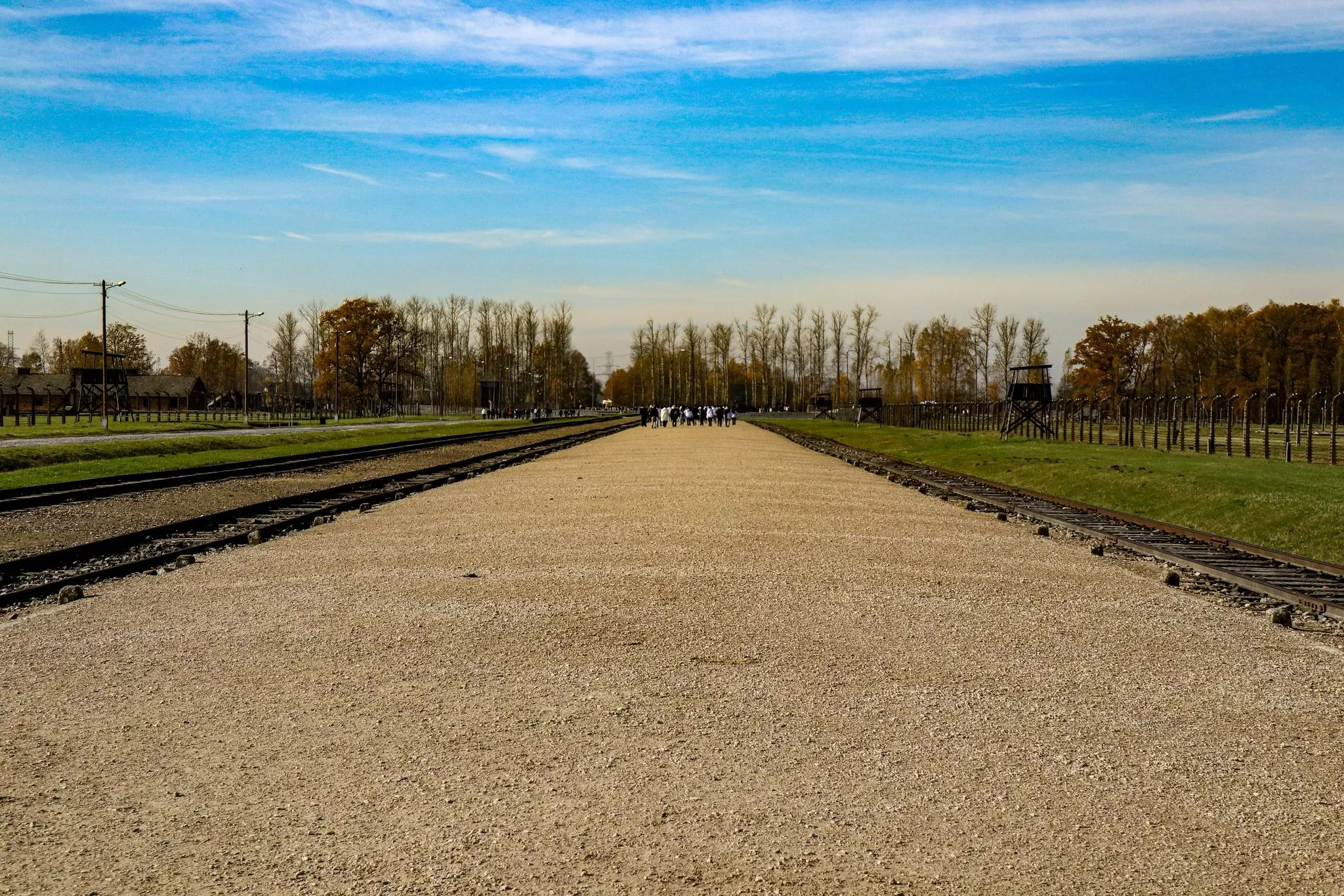
Continue to Auschwitz II–Birkenau. The scale of the grounds is striking. Paths lead to ruins of extermination facilities and remnants of barracks. Wind, silence, and long sightlines force contemplation. The International Monument to the Victims stands where visitors often pause in mourning. This portion includes more walking, so plan accordingly.
Hurry up, last tickets available for today!
Location & Opening Hours
- Memorial and Museum Auschwitz-Birkenau, Oświęcim, Poland
- From Kraków Główny: train or bus to Oświęcim, then local bus or walk to Auschwitz I. Use the free shuttle to Birkenau.
- From Katowice: train or bus to Oświęcim, then local connections to the Museum entrance.
- Visiting timetable
- Advance booking is recommended year‑round. Educational groups should arrange visits well in advance.
- visit@auschwitz.org
Visitor services are centered at Auschwitz I (Museum). Birkenau has separate entrances and vast open grounds.
Auschwitz-Birkenau: frequently asked questions
Contact & More Information
- Memorial and Museum Auschwitz-Birkenau, Oświęcim, Poland
- Email: see the official Museum website for current addresses
- Phone: see the official Museum website (auschwitz.org) for updated contacts
Reserve entry and, if desired, a guided tour. Policies differ by season; review terms before booking and consider your emotional readiness for the visit.
BOOK NOW
Selmo Rosato
I prepared this guide to help visitors approach Auschwitz-Birkenau with respect, historical context, and practical clarity, recognizing the dignity owed to victims and survivors.
Cancellation Policy
Guided tours may offer limited changes or refunds depending on timing and demand. Review terms at booking.
Group Discounts
Educational and group visits may have special arrangements. Request details well in advance.
Important Booking Information
Entry slots fill quickly during peak seasons — book early.
Wear comfortable, modest clothing. Birkenau is exposed, so bring water and protection against sun or rain.
Plan time to reflect and move between sites. Shuttle schedules can influence pacing.
Have confirmations and identification ready. Follow all instructions from staff and guides.